Benchmarks provide an objective way to evaluate AI systems, but they are not the ultimate goal. A high benchmark score is valuable only if it translates into reliable performance in real-world applications.
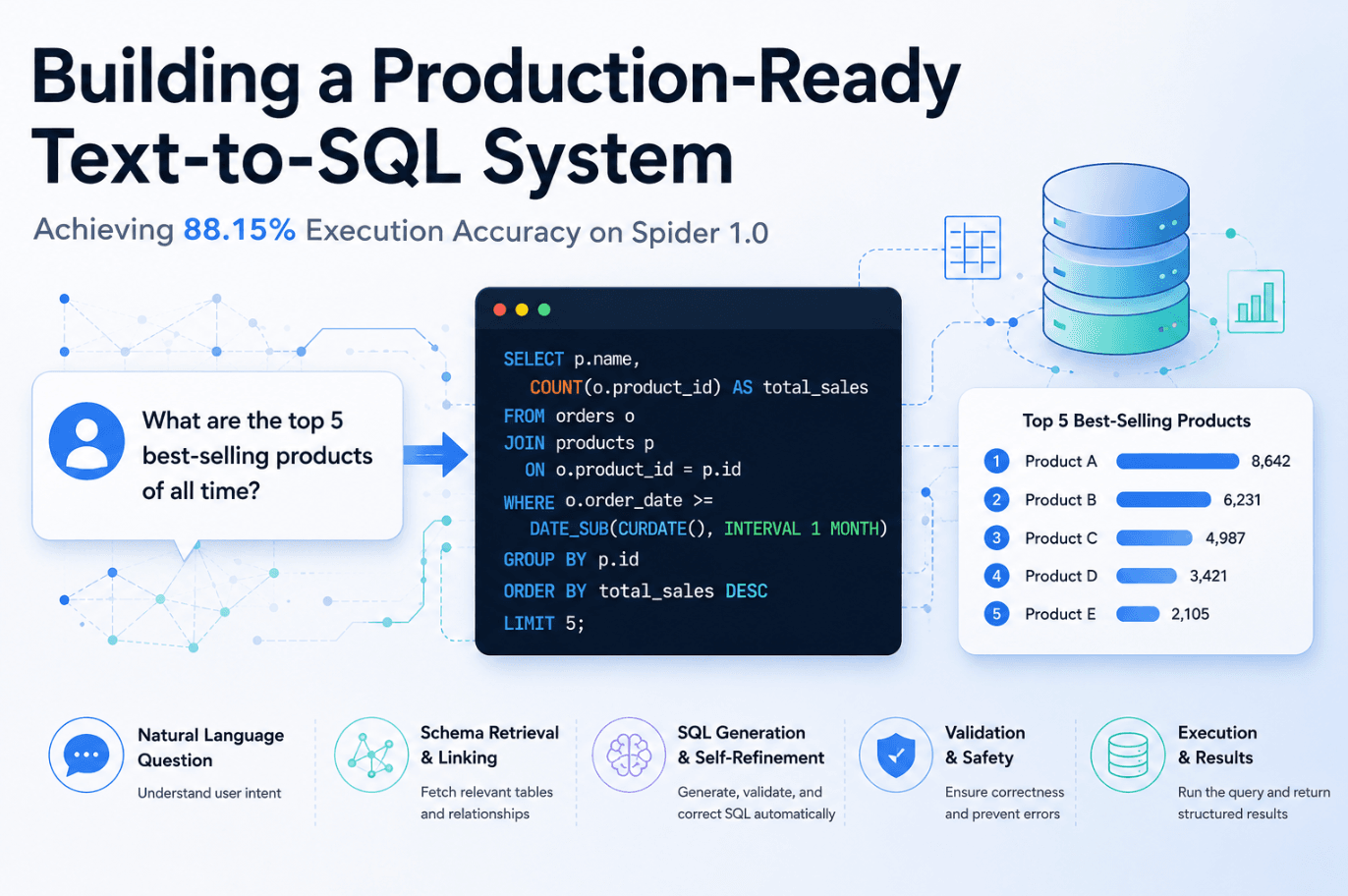
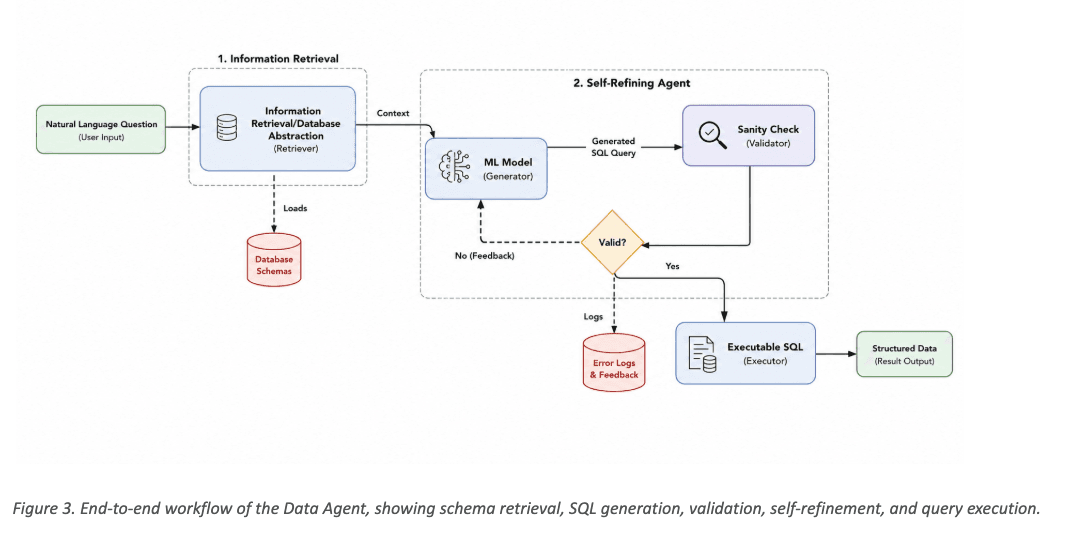
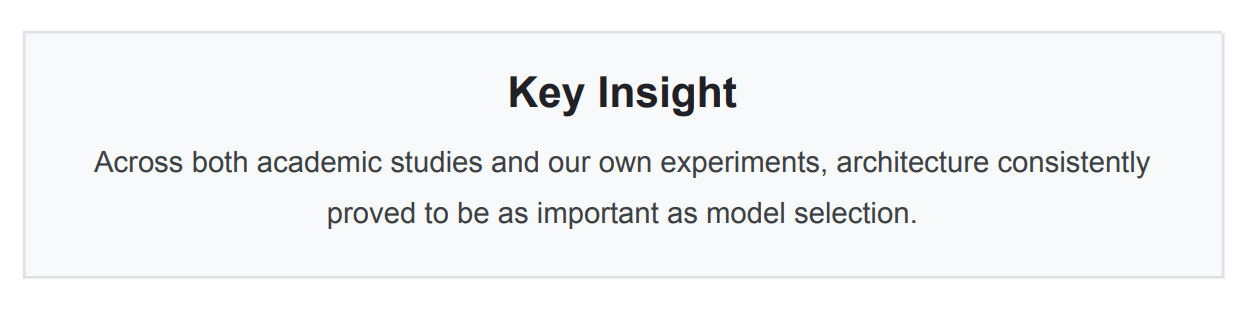
Throughout this study, we found that building a production-ready Text-to-SQL system is about far more than generating SQL. Understanding database schemas, retrieving the right context, validating generated queries, and refining incorrect outputs proved to be just as important as the language model itself.
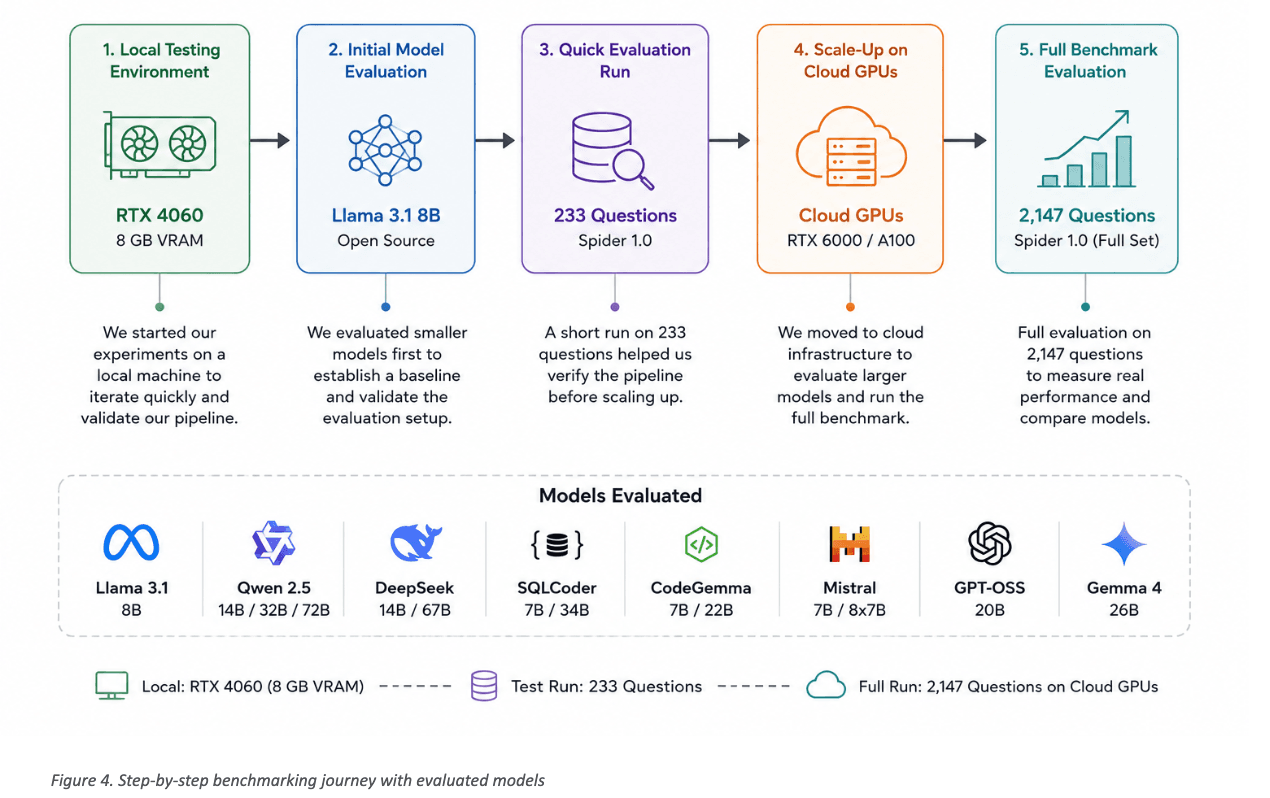
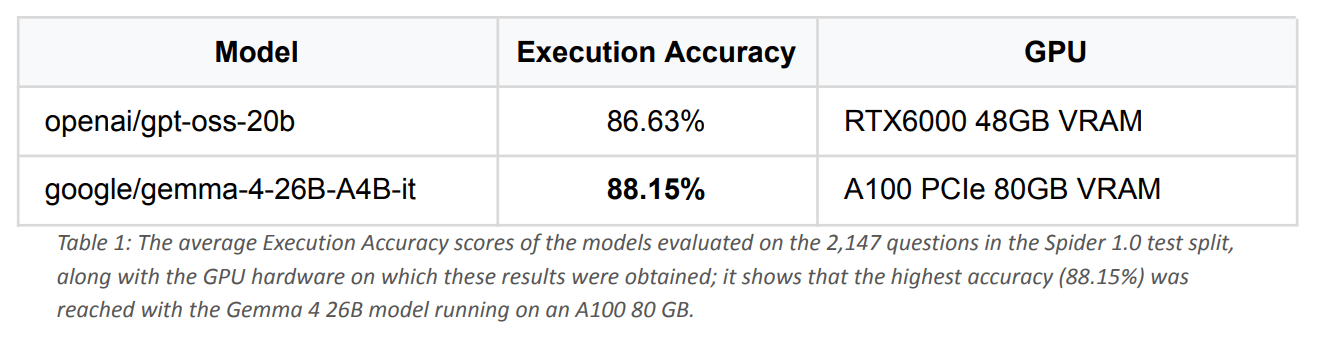
Our 88.15% Execution Accuracy on Spider 1.0 demonstrates that open-source models, combined with a well-designed architecture, can deliver highly competitive performance for enterprise Text-to-SQL tasks. More importantly, it validates the design principles behind our Data Agent, which was built to operate reliably on complex enterprise databases rather than only on benchmark datasets.
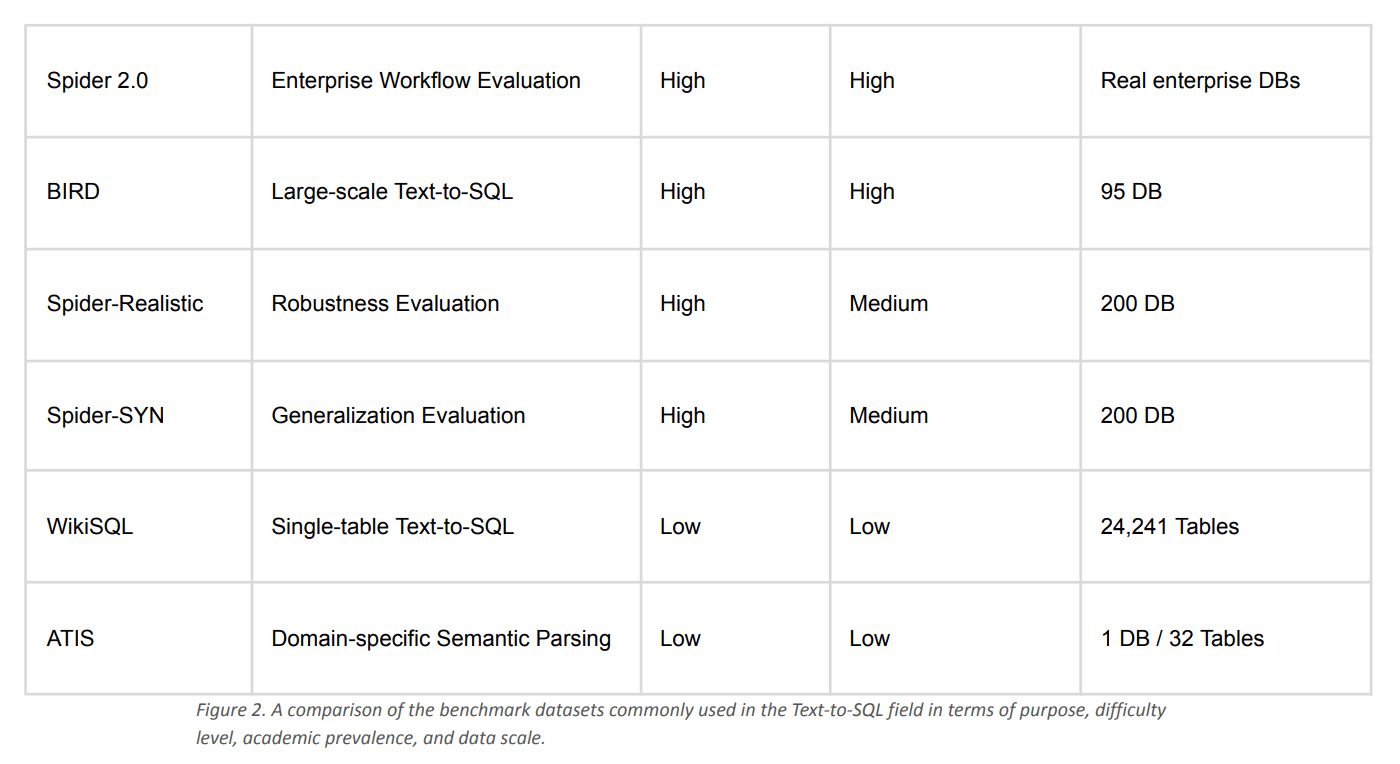
Spider 1.0 represents an important milestone, but it is only the beginning of our journey. Our next steps include evaluating the Data Agent on Spider 2.0, larger enterprise-scale benchmarks, and, most importantly, real customer environments where database schemas are significantly larger and business questions are far more complex.
Our long-term vision is not simply to build a better SQL generator. We aim to build intelligent Data Agents that enable organizations to interact with enterprise data as naturally as they communicate with a colleague—combining retrieval, reasoning, validation, and explainable AI into a reliable decision-support platform.